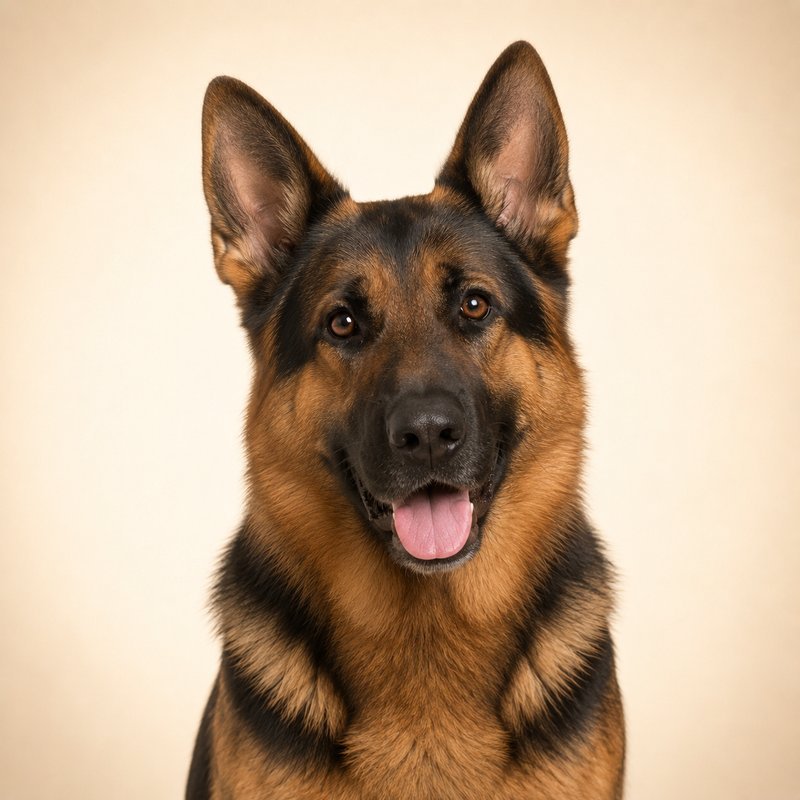
Akita
Dignified, loyal guardian of old Japan
The Akita is a large, powerful spitz-type breed from northern Japan, prized for its dignity, courage, and deep devotion to its family. Reserved with strangers and naturally protective, it is a quiet guardian that bonds intensely with one household.
Great points
- Fiercely loyal and devoted to family
- Quiet indoors and rarely barks without cause
- Naturally clean with cat-like grooming habits
- Imposing, alert, and instinctive watchdog
Things to consider
- Strong-willed and not suited to first-time owners
- Often aggressive toward other dogs and small pets
- Heavy seasonal shedding twice a year
- Aloof and wary with strangers, needs early socialization
The story
The Akita originated in the snowy mountains of Akita Prefecture, where it was bred to hunt large game such as boar and bear and later served as a guard dog. The breed is honored in Japan as a symbol of loyalty, famously embodied by Hachiko, who waited years at a train station for his deceased owner.
Training
Akitas are intelligent but independent and stubborn, so training needs firm, calm, and consistent leadership from an early age. Harsh methods backfire; reward-based work and thorough socialization are essential.
Grooming
The thick double coat needs brushing once or twice weekly, rising to daily during the heavy twice-yearly shedding seasons. Akitas are naturally clean and only need occasional baths.
Food & diet
Feed a high-quality diet measured to maintain lean body weight, as the breed can be prone to bloat. Split the daily ration into two meals and avoid heavy exercise right after eating.
Exercise
A couple of moderate daily walks plus play in a secure yard usually meets their needs. Keep them leashed in public, as their prey drive and dog reactivity can be unpredictable.
Health to watch
Common concerns include hip dysplasia, hypothyroidism, autoimmune conditions, progressive retinal atrophy, and gastric bloat. Responsible breeders screen for hips, eyes, and thyroid function.
Fun fact. In Japan a small Akita statue is often given when a baby is born or someone is ill, as a wish for health and happiness.