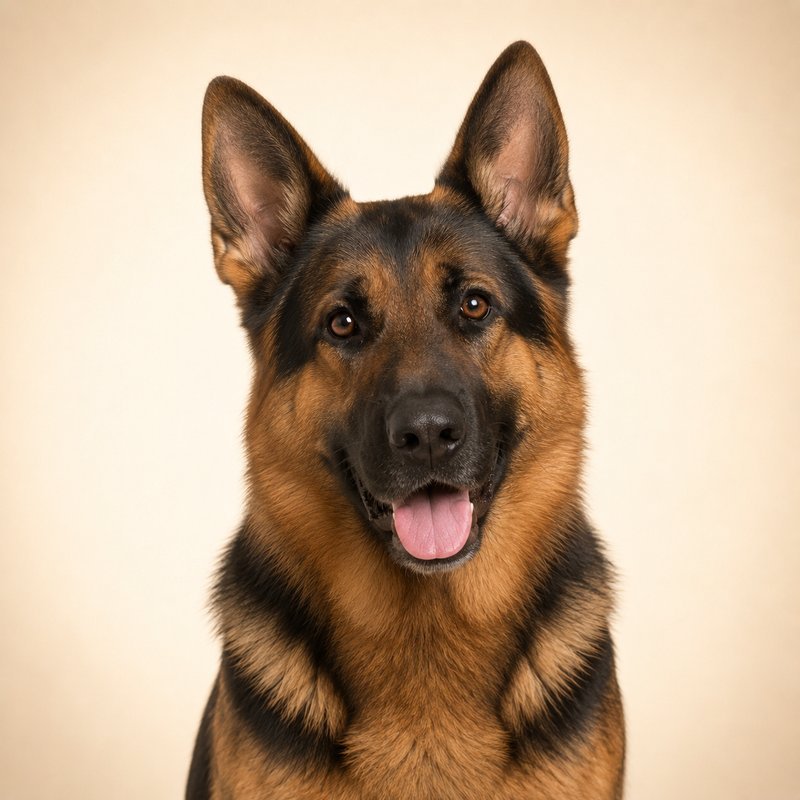
Vizsla
The velcro dog who never leaves your side
The Vizsla is a sleek, golden-rust Hungarian pointer bred to hunt, point, and retrieve as a close-working partner. Athletic, deeply affectionate, and famously clingy, it thrives on constant human contact and demands plenty of exercise and company.
Great points
- Loving and devoted family companion
- Short coat needs very little grooming
- Highly intelligent and eager to please
- Athletic partner for active owners
Things to consider
- Needs hours of daily exercise
- Prone to separation anxiety if left alone
- Can be mouthy and excitable when young
- Not suited to a sedentary household
The story
Developed by Magyar tribes in Hungary, the Vizsla served noble hunters and falconers for centuries as an all-purpose pointer and retriever. The breed nearly vanished after World War II but was revived by dedicated fanciers who smuggled dogs out of the country.
Training
Vizslas are smart and quick to learn but sensitive, so they respond best to patient, reward-based methods and gentle consistency. Harsh corrections backfire and can make them anxious or shut down.
Grooming
The short, dense coat is low-maintenance and needs only an occasional brush and the odd bath. Keep the nails trimmed and the ears checked and clean, as drop ears can trap moisture.
Food & diet
Feed a quality diet matched to a very active dog, splitting meals to help reduce the risk of bloat. Adjust portions to keep this lean breed at a healthy weight.
Exercise
Vizslas need at least one to two hours of vigorous daily activity such as running, fetch, or dog sports. A bored, under-exercised Vizsla will become destructive and restless.
Health to watch
Generally healthy but prone to hip dysplasia, epilepsy, eye disorders, and certain cancers including lymphoma and hemangiosarcoma. Responsible breeders screen for hip and eye problems.
Fun fact. Vizslas are nicknamed velcro dogs because they constantly press against their owners and follow them from room to room.